
In Between Spaces: Belonging Among the New and the Known
Dr. Deepika Meena
Assistant Professor
MICA Ahmedabad
It has been over three years since I first entered the field as a doctoral researcher, yet the affective and intellectual imprints of that initial engagement remain deeply etched in my memory. The early phase was marked by a complex blend of curiosity, hesitation, anticipation, and self-doubt. I found myself grappling with questions central to ethnographic practice: How would the community receive me? Would they understand the purpose of my research? Could I build the trust needed to access their everyday lives and narratives?
My doctoral work explored the everyday experiences of tribal girls navigating higher education in Pratapgarh, Rajasthan. I examined how young women exercised agency across different institutional spaces colleges, hostels, coaching centres, and homes and how these spaces mediated cultural transformation as they migrated from their villages to district headquarters for education. The study foregrounded how space, identity, and belonging intersect in shaping the educational trajectories of tribal girls.
Although I had spent part of my childhood in the region due to my father’s government posting, my familiarity was limited to fleeting memories and surface-level interactions. Returning as a researcher demanded a very different orientation: an active attentiveness to social dynamics, affective nuances, and everyday negotiations.
My return to Pratapgarh after nearly a decade was both an emotional and methodological milestone. The journey began with disarray I misplaced my luggage on the bus and felt unsure about how to reach my landlord’s house. That initial confusion and anxiety made me question my ability to manage fieldwork. Yet, what followed was a reaffirmation of relational solidarity: my landlord’s family helped retrieve my belongings and extended consistent hospitality throughout my stay, creating a foundation of trust and mutual care.
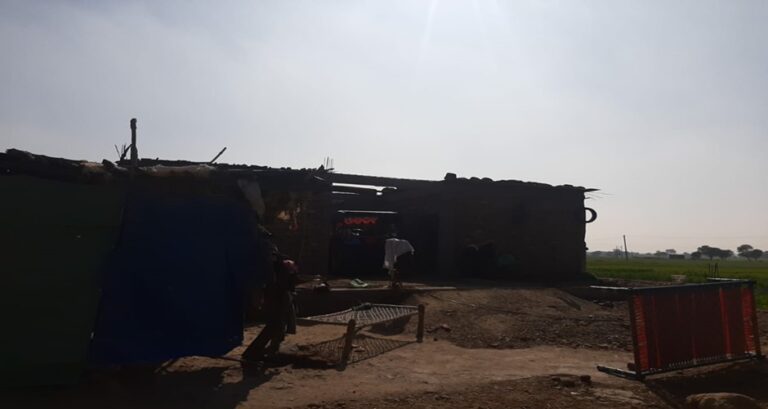
Pratapgarh was not merely a “field site”; it was a social and emotional landscape that animated the structural realities I had studied in policy documents during my Master’s and early PhD years. Engaging with government initiatives such as the Tribal Sub-Plan (TSP) which provides hostels, scholarships, and exam coaching for tribal students helped me see how policies were lived, negotiated, and reinterpreted by their intended beneficiaries.
Insider–Outsider Positionality
A turning point came during my interaction with a Tribal Development Officer (himself from the same community) who remarked in Hindi:
Aap toh hamara samaj se hai aur humari bachio kai sath aur unka future kai liye kaam kar rahi ho. Aap ko yaha ko pareshani nahi hogi and koi bhi help chahiye aap mujhe batana. Humara samaj mein itni padhi kar rhi ho aur ye bhaut gaurav ki baat hai hamare liye
Translation: You come from our community and are working for the future of our daughters. You won’t face any difficulties here and if you need any assistance, let me know. The fact that you are studying so much is a matter of pride for our community.
This moment encapsulated how my positionality was shaped by multiple identity markers. As Gelir (2021) notes, research positionality cannot be neatly defined as “insider” or “outsider”; it is multifaceted and shaped by gender, professional roles, and relational dynamics. My social identity as a member of a Scheduled Tribe, combined with my gender and regional familiarity, became both a gateway and an anchor. These shared identity markers facilitated access, while simultaneously generating an ethical sense of accountability, reciprocity, and responsibility.
Even before entering the field, my identities shaped opportunities. By drawing upon my gender and tribal belonging as well as my father’s contacts in Pratapgarh I was able to secure suitable accommodation. My landlords, who saw me as a daughter, not only provided a safe environment but also supported my connections within the community.
However, this sense of belonging was neither automatic nor sufficient. While tribal identity helped secure entry, it was my gender and sustained engagement that deepened relational ties. Women interlocutors landladies, hostel residents, and students—extended affective solidarity, often positioning me as a “daughter” or “sister.” This framing enhanced my legitimacy and enabled open conversations, as families felt more comfortable sharing their concerns about their daughters’ futures with someone they perceived as “their own.”
Challenges
Fieldwork also exposed the structural and interpersonal challenges faced by women researchers. Institutional gatekeepers, particularly college principals, often questioned my legitimacy, doubted the relevance of my research, and sometimes imposed normative expectations about marriage and career paths. One male principal even suggested I abandon the PhD and prepare for UPSC, offering to “arrange” data and thesis material if needed. Such encounters revealed the gendered and hierarchical structures through which academic work is validated. Navigating the terrain both literal and metaphorical posed further challenges. Accessing interior villages required negotiating hilly forests, rough roads, and unsecured pathways, often on a scooter. These logistical struggles mirrored the everyday realities of my interlocutors, who faced unsafe transport, infrastructural neglect, and inaccessible geographies.
Ethical Reflections: Reciprocity and Responsibility
A particularly difficult question posed during fieldwork was: “How will your research benefit us?” Initially, I responded by citing the potential policy relevance of my study. Yet, the question highlighted a deeper dissonance between academic pursuits and community needs. It forced me to reflect critically on my motivations and the asymmetries inherent in research relationships. At times, this led to feelings of guilt wondering if my work was extractive rather than reciprocal. Over time, however, the field became a space of shared vulnerability, trust, and co-learning. My participants’ willingness to open their homes, lives, and emotions to me was not merely a methodological success but a profound human gesture of connection. They reminded me that ethnography is not simply about data collection; it is about building relationships, embracing discomfort, and being reflexively accountable to those whose stories we represent.
Conclusion
Fieldwork within one’s own community is never a straightforward process of “insider” privilege. It requires navigating complex relationships, ethical dilemmas, and personal uncertainties. My time in Pratapgarh revealed that shared identity can facilitate entry, but sustained trust emerges only through patience, presence, and humility. Academic research often demands structured analysis and clear outcomes, yet lived realities rarely align neatly with those categories. My interlocutors compelled me to think more deeply about the purpose of research—not only for academic publication but also for its social relevance. Their stories, questions, and generosity challenged me to reimagine ethnography as a practice rooted in empathy, reciprocity, and care. Belonging, I came to understand, is not static. It is continually negotiated in the space between the familiar and the unfamiliar. Meaningful research, especially with marginalized communities, must therefore extend beyond intellectual curiosity to embrace ethical responsibility and human connection.
Author Bio: Dr. Deepika Kumari Meena is an Assistant Professor at MICA, Ahmedabad. She has earned her Doctoral degree from the Indian Institute of Technology, Gandhinagar, in Humanities and Social Sciences. Her PhD thesis focuses on Higher education among the tribal girls of Pratapgarh, Rajasthan. She completed her Master’s from Central University of Rajasthan in Public Policy, Law and Governance.
References:
Gelir, I. (2021). Can insider be outsider? Doing an ethnographic research in a familiar setting. Ethnography and Education, 16(2), 226-242, https://doi.org/10.1080/17457823.2021.1905535