Author name: sreejith

Navigating Field as an In-Between Researcher- Reflections from Assam’s Borderlands

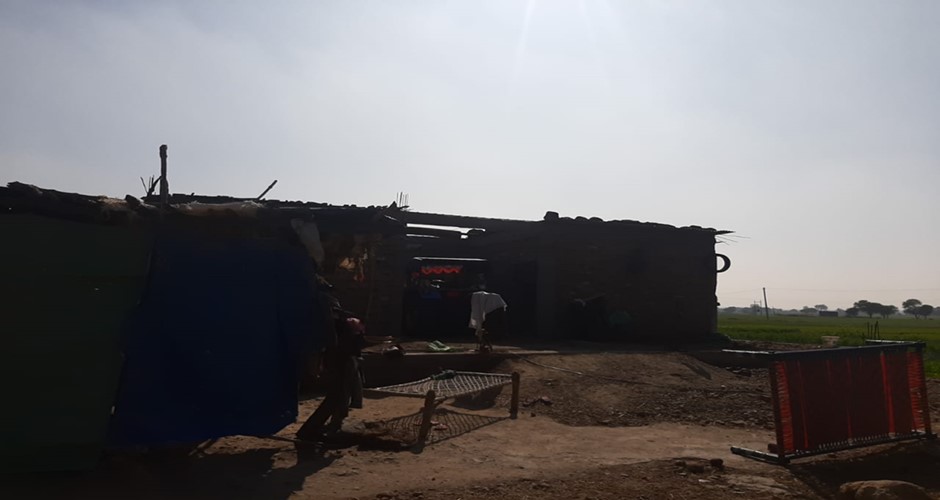
Drawing from her ethnographic fieldwork undertaken as a part of doctoral research among the Muslims of char areas of Assam, in this article, Manjita turns inward to reflect on her own insider/outsider positionality and its influence on her early field interactions, including the process of teaching in the char as an ethnographic engagement.

Navigating Field as an In-Between Researcher- Reflections from Assam’s Borderlands Read More »

Encountering Privilege: Accessing the World of the Middle Class in Shimla

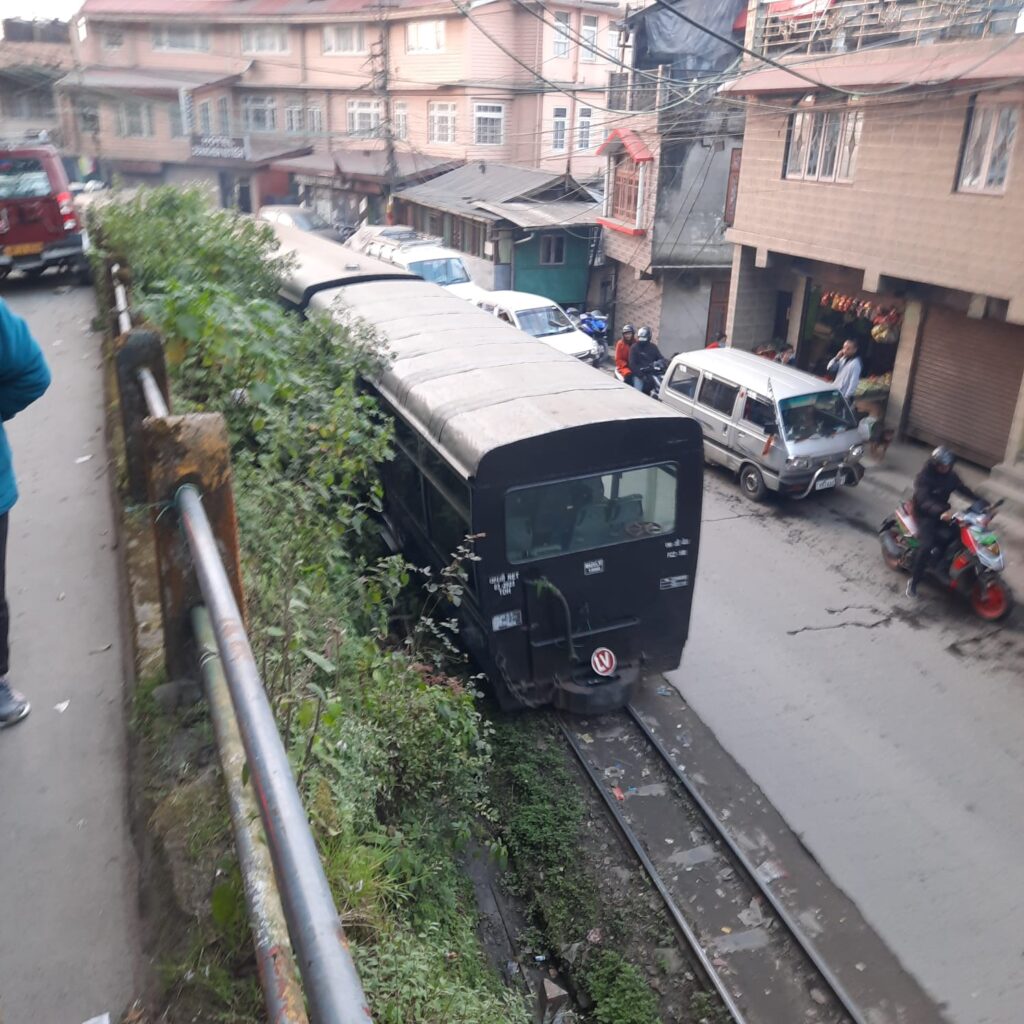
This fieldwork reflection is on the methodological concerns in accessing privileged groups, including mistrust, time constraints, and the researcher’s ambiguous caste identity. In a caste society, navigating your caste identity with sensitivity is a crucial and essential component of doing fieldwork as a researcher.

Encountering Privilege: Accessing the World of the Middle Class in Shimla Read More »

Trust, Tension, and Testimonies: Navigating FIeldwork as a Dalit Woman Researcher

Being born and raised in the same district, it was easier for me to approach people. However, when I explained the purpose of my visit, they often looked at me suspiciously and wondered why I was studying such a topic. They also suspected me of being a government agent working with the police or a journalist who would post all the information on social media or give it to the police, which might bring problems to the community.

Trust, Tension, and Testimonies: Navigating FIeldwork as a Dalit Woman Researcher Read More »

Invisibility and the Convergence of Formal and Informal Practices: Field Reflections on Tracing Early Care Labour Migration of Nursing Students from Kerala to Germany

Fieldwork in Kerala revealed how deeply informal practices shaped this migration history—and how such practices resist conventional archival or institutional reconstruction. The lack of documentation is not simply a research obstacle, but a historical phenomenon that must be understood in its own right. Accessing this “invisible” history required cultural and religious literacy, trust-building, and long-term engagement beyond formal interviews.

Invisibility and the Convergence of Formal and Informal Practices: Field Reflections on Tracing Early Care Labour Migration of Nursing Students from Kerala to Germany Read More »

Navigating Access and Positionality During Fieldwork in a Government Girls’ School

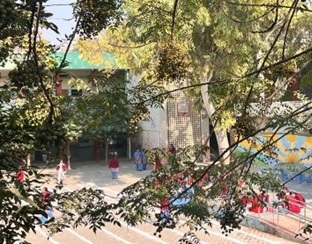
I believe access and positionality were not static components during my fieldwork, but they were constantly evolving and entangled processes that shaped knowledge production during the research. The hesitations from the individuals, the restrictions set by the school and the gatekeeping from the state or authorities all had very different meanings and reasons behind them.

Navigating Access and Positionality During Fieldwork in a Government Girls’ School Read More »

Practicing ethnography – what they don’t tell us

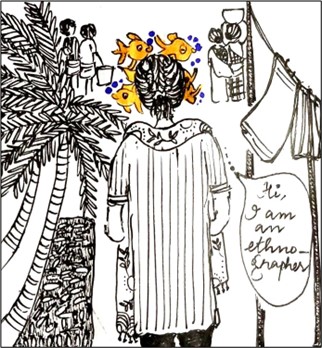
Cecelia Busby (2000) in her book mentions that she booked tickets for home and left. It was during this time before she returned to the field that she came across Malinowski’s (1989) diary, which she recommends to everyone working in a ‘field’. In my doctoral research, I practice ethnography to understand the fish economy in the Andaman Islands. I rely on participant observation using the lens of political economy and economic anthropology to understand the making of a fish economy.

Practicing ethnography – what they don’t tell us Read More »

Beyond Data and Reports: The Researcher’s Journey of Hope and Responsibility

Research is more than an intellectual pursuit—it is a responsibility. A responsibility to honor the trust placed in us, to give back in ways that uplift and empower. It demands that we not only generate knowledge but also ensure that knowledge catalyzes real, tangible improvements in the lives of those who share their experiences with us.

Beyond Data and Reports: The Researcher’s Journey of Hope and Responsibility Read More »